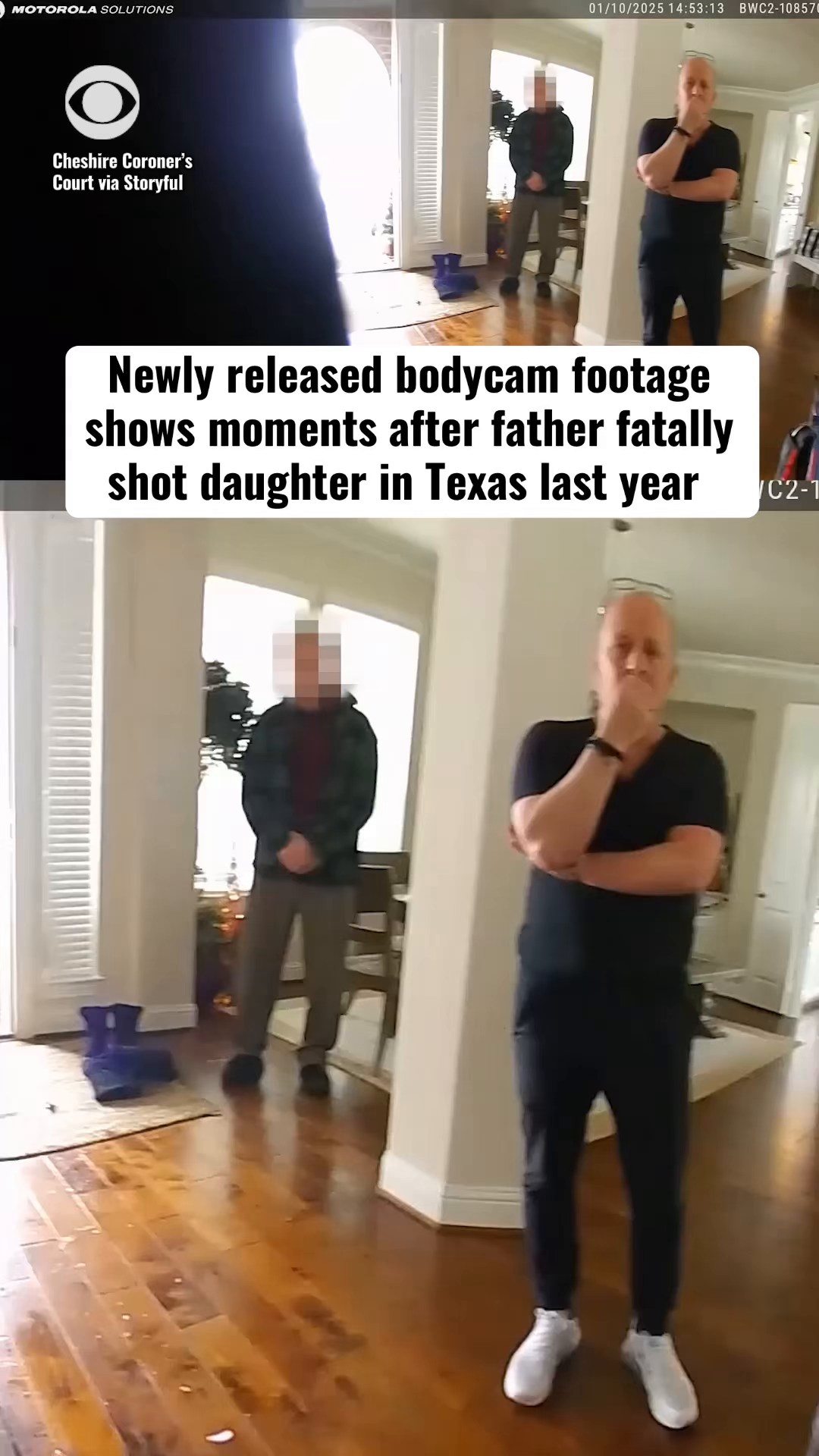
A Tragic Incident Unfolds: The Texas Shooting After a Trump Dispute
In a deeply unsettling incident that garnered international attention, a father in Texas fatally shot his 23-year-old daughter following a heated argument reportedly centered on then-U.S. President Donald Trump. What makes this case particularly complex and tragic is the subsequent decision by a Collin County grand jury to decline bringing charges against the father, Kris Harrison. The events leading up to the shooting, the father's personal struggles, and the legal aftermath paint a stark picture of how domestic disputes, political polarization, and firearms can converge with devastating consequences. This article delves into the details of this heartbreaking Texas Dad Shoots Daughter After Heated Trump Argument, exploring the various factors at play and the broader implications of such an incident.
The Disputed Day: Tensions, Guns, and a Fatal Encounter
The victim, Lucy Harrison, a British fashion buyer, was visiting her father in Prosper, Texas, along with her boyfriend, Sam Littler. Tensions between the father and daughter had reportedly been simmering, often fueled by differing political views and Kris Harrison's ownership of firearms. According to Littler's testimony, Lucy had expressed discomfort with her father's gun ownership, a concern that escalated significantly. On the day the couple was scheduled to fly back to Britain, the long-standing friction reached a breaking point. An argument erupted between Kris and Lucy, specifically concerning President Trump.
During the confrontation, Kris Harrison, who had moved to the United States when Lucy was a child, allegedly made a callous remark. When Lucy reportedly challenged him by stating he wouldn't care if she left, he responded by saying he had two other daughters living with him, implying her departure would not significantly upset him. This deeply hurtful comment reportedly prompted Lucy to retreat upstairs, clearly distressed.
Approximately half an hour before Lucy and Littler were due to leave for the airport, the situation took a horrifying turn. Lucy was in the kitchen downstairs when her father reportedly took her hand and led her into a ground-floor bedroom. Sam Littler testified that barely fifteen seconds later, he heard a loud bang. He then heard Kris Harrison screaming for his wife, Heather. Rushing into the room, Littler found Lucy lying on the floor near the bathroom entrance, while Kris Harrison was described as screaming "sort of nonsense." The scene was one of unimaginable horror and confusion, marking the end of Lucy's young life.
Legal Crossroads: Why No Charges Were Filed
Following the shooting, authorities in Prosper, Texas, launched an investigation into Lucy Harrison's death, initially treating it as a possible case of manslaughter. However, after reviewing the evidence, a Collin County grand jury made the controversial decision last June to decline to charge Kris Harrison. This outcome left many questioning the justice system and the circumstances under which such a tragic loss of life could result in no criminal prosecution.
Grand juries operate differently from trial juries. Their role is not to determine guilt or innocence but to assess whether there is probable cause to believe a crime has been committed and that the accused committed it, thus warranting an indictment. In Texas, like many other states, a grand jury's decision to "no-bill" a case means they found insufficient evidence to proceed with criminal charges. While the specifics of their deliberation are typically secret, it suggests that the grand jury, after reviewing the presented evidence, did not believe there was enough to secure a conviction for manslaughter or any other criminal offense. This outcome often highlights the complexities of proving intent or criminal negligence in cases where the accused claims an accident, particularly when it occurs within the confines of a private residence and involves family members.
Alcohol, Guns, and Political Rifts: Unpacking Contributing Factors
The inquest into Lucy Harrison's death, which Kris Harrison did not attend, brought to light several critical factors that may have contributed to the tragedy. It was revealed that Harrison had a history of alcohol addiction and had previously sought rehab. On the day of the shooting, he admitted to relapsing, stating in a written statement that he had consumed approximately 550 ml of white wine. This admission is significant, as alcohol consumption can severely impair judgment and reaction time, raising serious concerns when combined with firearm handling.
According to Harrison's statement, he and Lucy had been watching a TV segment on gun crime. He then asked his daughter if she wanted to see the Glock 9mm semi-automatic handgun he kept in a bedroom cabinet. His account states, "As I lifted the gun to show her I suddenly heard a loud bang. I did not understand what had happened. Lucy immediately fell." He claimed not to remember if his finger was on the Glock's trigger. This explanation suggests the shooting was accidental, though the circumstances, especially with his reported alcohol intake, raise questions about responsible gun handling.
The underlying political disagreement over Donald Trump also played a significant role in escalating tensions within the household. While political differences are common, they can become deeply divisive, particularly when combined with other stressors like familial discord, substance abuse, and the presence of firearms. This tragic incident serves as a stark reminder of how Alcohol, Guns, and Trump: Unpacking a Tragic Texas Shooting can create a perilous environment. It underscores the critical importance of responsible firearm ownership, which includes ensuring firearms are stored securely and never handled under the influence of alcohol or during periods of intense emotional distress.
The Inquest: A Search for Facts Amidst Grief
An inquest, unlike a criminal trial, is a fact-finding inquiry aimed at determining the cause of death. During the inquest into Lucy Harrison's death, conducted by coroner Jacqueline Devonish, attempts were made by Harrison's representative, Ana Samuel, to have the coroner recused. Samuel argued that the inquest had been conducted "in a manner more akin to a criminal investigation than a fact-finding inquiry." However, Devonish declined to step down, emphasizing the importance of Kris Harrison's statement of fact, given he was the only other person in the room when Lucy was shot.
Kris Harrison's written statement, read into the public record, expressed deep remorse and acceptance of the consequences. "There isn't a day I don’t feel the weight of that loss, a weight I will carry for the rest of my life," he stated. While such sentiments convey personal suffering, they do not diminish the fact that a life was lost, and the circumstances surrounding it remain under scrutiny. The inquest aimed to provide clarity for Lucy's family and to officially record the cause of her death, offering a measure of closure even in the absence of criminal charges.
Lessons from a Tragedy: Responsible Gun Ownership and Conflict Resolution
The tragic death of Lucy Harrison highlights several crucial areas for reflection, particularly concerning responsible gun ownership and family dynamics. The presence of a firearm, combined with alcohol consumption and heightened emotions during a political dispute, created a combustible environment. For any gun owner, it is paramount to adhere to strict safety protocols, including:
- Secure Storage: Firearms should always be stored unloaded and locked, ideally in a safe or with a trigger lock, separate from ammunition.
- No Alcohol or Drugs: Never handle firearms when under the influence of alcohol or any substance that impairs judgment or motor skills.
- Training and Education: Regular training and understanding of firearm safety are essential for all gun owners.
- Emotional Control: Avoid handling firearms during arguments, periods of extreme stress, or when emotions are running high. De-escalation and stepping away from tense situations are critical.
Beyond gun safety, this incident underscores the destructive potential of unchecked family disputes, especially when deeply divisive topics like politics are involved. While differing opinions are natural, finding healthy ways to debate, or knowing when to disengage, is vital to prevent escalation. Open communication, empathy, and seeking professional help for underlying issues like addiction or anger management can be crucial preventative measures. This case serves as a somber reminder of the profound and often irreversible consequences when these safeguards fail.
The death of Lucy Harrison is a profound tragedy, a painful illustration of how personal struggles, political divides, and the presence of firearms can intersect with devastating results. While a grand jury found insufficient grounds for criminal charges, the immense loss and lingering questions continue to affect those involved. It prompts a vital conversation about responsible firearm practices, the impact of substance abuse, and the critical need for constructive conflict resolution within families. The memory of Lucy Harrison serves as a stark warning and a call for greater awareness regarding the responsibilities that come with gun ownership and the fragility of family bonds.